
Key EU Regulations Hitting Apparel in 2026
- Ecodesign & ESPR: Minimum durability, reparability, and recyclability standards. Unsold goods destruction banned.
- Digital Product Passport (DPP): Every garment must carry a QR code with full supply-chain data.
- Corporate Sustainability Due Diligence Directive (CSDDD): Brands must prove no forced labor or environmental harm in their supply chain.
Non-compliance = fines up to 4% of EU revenue or product bans.
How Smart Wholesalers Are Getting Ahead
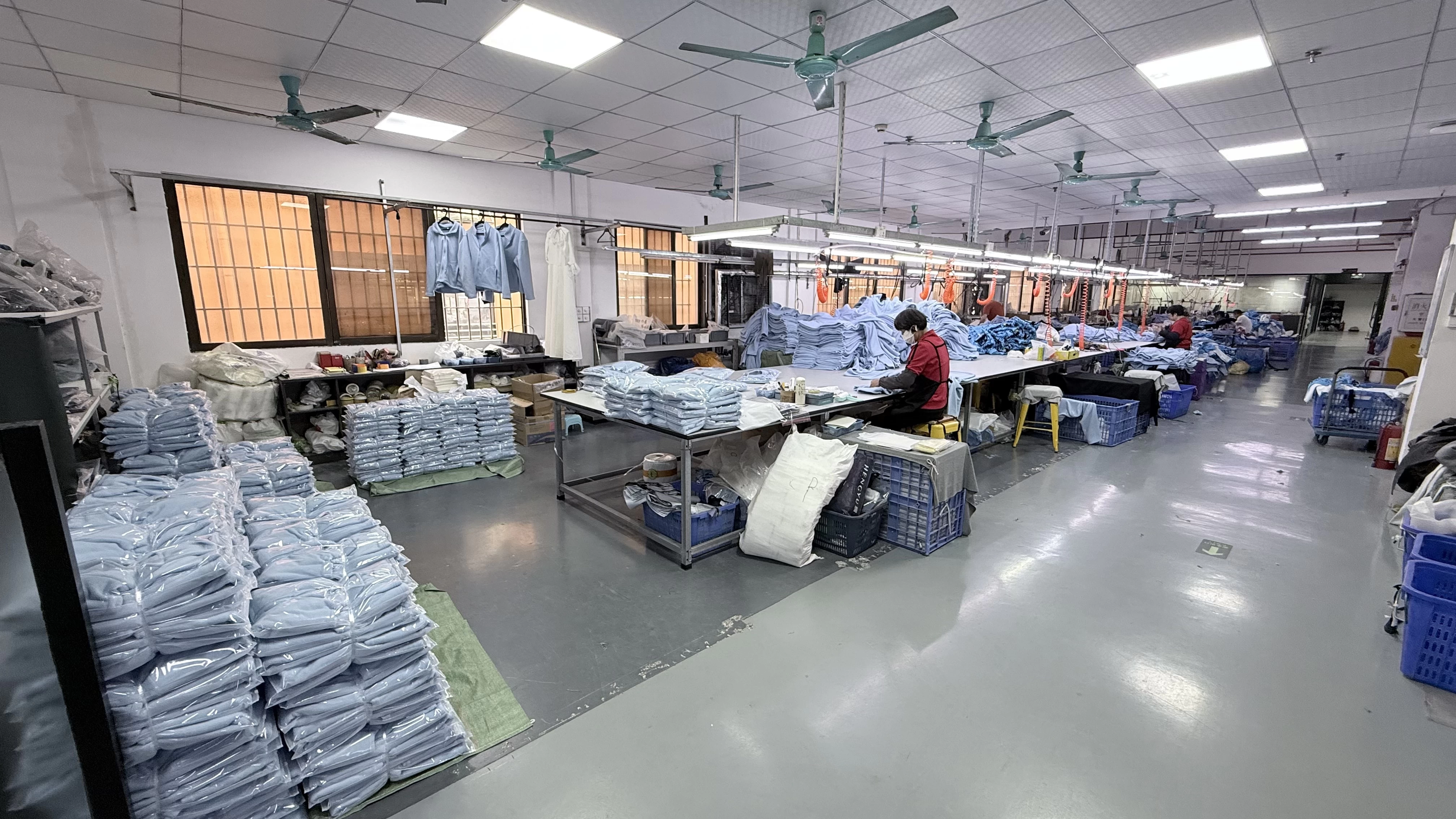
The good news? Factories that already hold GOTS, OEKO-TEX, and full traceability are turning these rules into a competitive advantage. At our facility:
- Every fabric batch comes with blockchain-tracked origin data ready for DPP.
- We offer repair kits and take-back programs for private-label collections.
- 100% of our organic cotton and hemp lines meet regenerative agriculture criteria.
Practical Checklist for 2026-Compliant Sourcing
- Demand full material passports from day one.
- Choose factories with third-party audited supply chains.
- Prioritize biodegradable and recyclable blends (hemp + Tencel is a winner).
- Build “take-back” language into your contracts.
Why Chinese OEM Is Still the Best Partner for EU Compliance
We’ve invested heavily in 2026-ready systems so you don’t have to. Our average client saves 15-20% on compliance costs compared to smaller, non-certified suppliers.