
How to Start a Clothing Brand With a Small Budget
Starting a clothing brand does not necessarily require a huge investment. Many successful fashion businesses begin with a small collection, limited inventory, and carefully selected manufacturing partners.
The key is to control your initial costs while testing whether customers actually want your products.
This guide explains how to start a clothing brand with a small budget and reduce unnecessary financial risk.
1. Define Your Brand and Target Customer
Before designing products, decide who you want to sell to.
Consider:
Age group
Gender
Lifestyle
Price range
Fashion style
Target market
For example, a streetwear brand targeting young customers will require a very different product strategy from a premium minimalist clothing brand.
A clear target customer makes product development and marketing much easier.
2. Start With a Small Collection
One of the biggest mistakes new clothing brands make is producing too many products at launch.
Instead of creating 20 or 30 styles, consider starting with a small collection.
A first collection could include:
2–3 T-shirt designs
1–2 hoodies
1 pair of pants
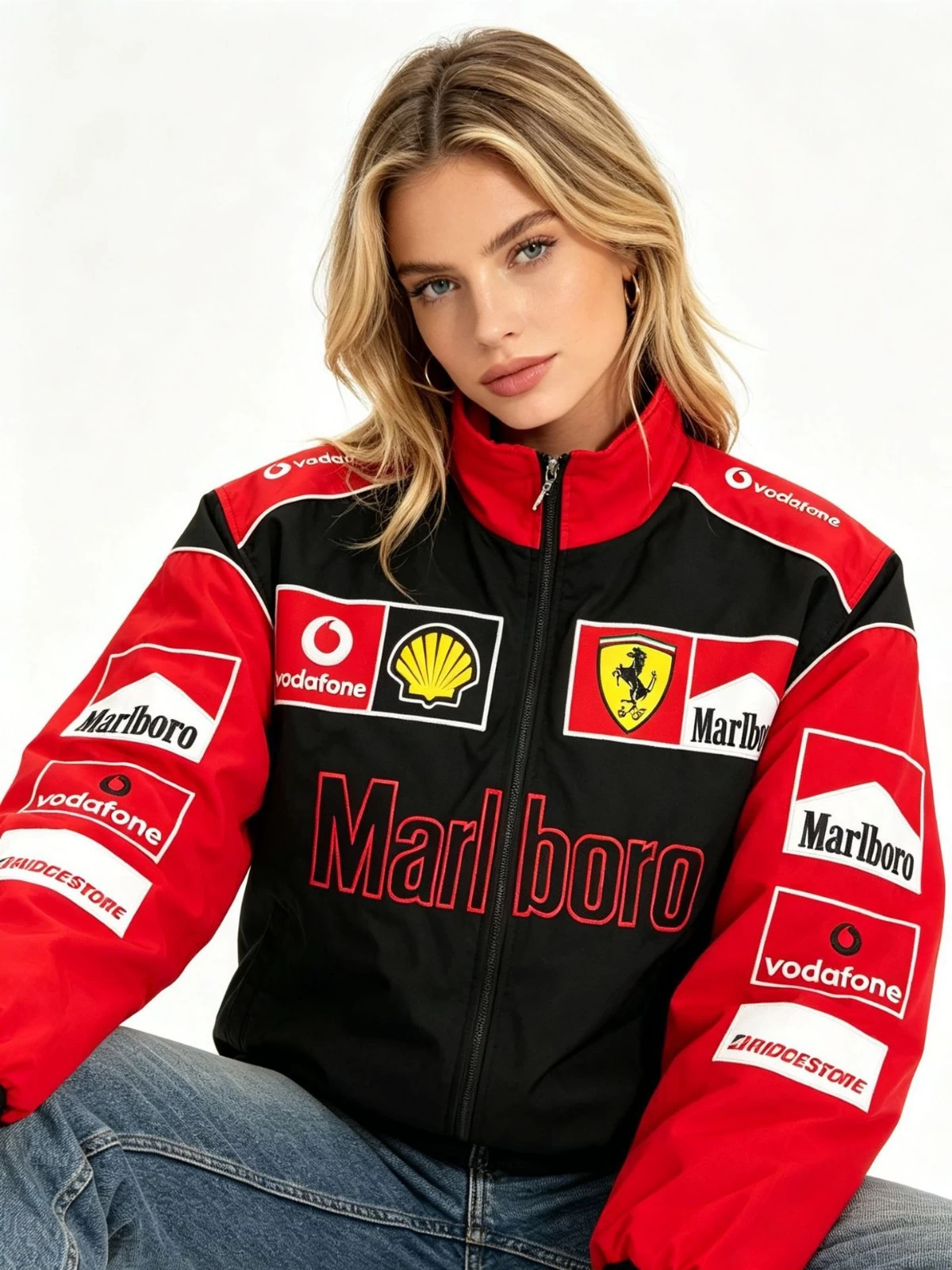
1 jacket
A smaller collection allows you to test customer demand without committing too much money to inventory.
3. Create Your Product Designs
Your products don't need to be complicated.
Focus on:
Fit
Fabric
Color
Construction
Branding
Packaging
If you don't have professional pattern-making experience, work with a clothing manufacturer that can help develop patterns and samples from your sketches, reference images, or technical specifications.
4. Find the Right Clothing Manufacturer
Finding a suitable manufacturer is one of the most important steps.
When comparing manufacturers, look at:
MOQ
Sampling capabilities
Fabric sourcing
Production quality
Communication
Production lead time
Quality control
The cheapest factory isn't always the best option.
A reliable manufacturer can help reduce costly mistakes during sampling and bulk production.
5. Use Low MOQ Production
Minimum Order Quantity, or MOQ, is especially important for new brands.
A low MOQ allows you to:
Test products
Reduce inventory risk
Launch multiple designs
Collect customer feedback
Improve future collections
Instead of producing thousands of units immediately, small-batch production can help validate your products first.
6. Order Samples Before Bulk Production
Never rely only on digital designs.
A physical sample allows you to check:
Fit
Fabric weight
Color
Stitching
Print quality
Embroidery
Measurements
Make changes during sampling rather than after bulk production begins.
7. Build Your Online Store
You don't need a complicated website to start.
Your store should clearly communicate:
What your brand sells
Who it is designed for
Why customers should buy it
Product specifications
Size information
Shipping and return policies
High-quality product photography is also extremely important.
8. Start Marketing Before Launch
Don't wait until the products arrive to start building an audience.
You can create content around:
Product development
Behind-the-scenes manufacturing
Fabric selection
Sample development
Brand story
Packaging
This gives potential customers a reason to follow the brand before launch.
9. Test Before Scaling
Your first collection should be treated as a market test.
Track:
Best-selling products
Customer feedback
Return rates
Conversion rate
Advertising performance
Repeat purchases
Use this information to decide which products deserve larger production runs.
10. Keep Your First Investment Controlled
A small clothing brand should focus on validating demand rather than maximizing inventory.
Start small, learn quickly, and reinvest in products that perform well.
FAQ
Can I start a clothing brand with a small budget?
Yes. Starting with a small collection, low MOQ production, and limited inventory can significantly reduce initial financial risk.
How many products should a new clothing brand launch?
There is no fixed number, but a focused collection of several strong products is often easier to manage than a large collection.
Is low MOQ important for new clothing brands?
Yes. Low MOQ allows new brands to test products without committing to large quantities.
Conclusion
Starting a clothing brand with a small budget is possible when you focus on controlling risk. Begin with a clear target customer, a small collection, reliable samples, and flexible manufacturing.
The goal of your first collection isn't simply to produce clothes. It is to discover which products customers actually want.